Stormwater Pollution Impacts Our Waters
Ed Spanopoulos, Senior Aquatic Biologist • February 12, 2026
Stormwater Pollution Impacts Our Waters
Stormwater is often overlooked; it’s not until people become ill or there is significant environmental damage that action will be taken to address the problem. Unfortunately, this action often comes too late as the damage has already been done.
I have served as a Municipal Separate Storm Sewer System (MS4) Coordinator. My responsibilities included creating and implementing stormwater management plans, conducting public education and outreach, inspecting construction and development sites, and detecting and eliminating pollution discharges into our waters. I was also responsible for treating excessive weed, bacteria, and algae growth in local lakes and ponds
I saw the damage stormwater and runoff can do firsthand, which makes me take this job very seriously.
Owners of new ponds have one to six years before they start to see what time can do to an aging water system. Each time it rains, new pollutants enter the pond, causing irreversible damage. That’s why managing your waterbody immediately is crucial.
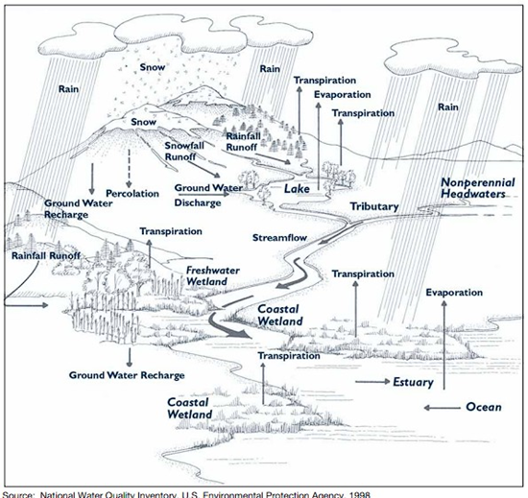
Once water reaches the surface, it can travel in various directions before ending up in our lakes, ponds, rivers, and oceans. It may percolate directly into the ground, flow into a creek, river, wetland, lake, or other natural features, be taken up by roots of trees, grasses, or other plants, or return to the atmosphere through evaporation. During this journey, it’s our responsibility to ensure the path to the destination remains clean and clear.
Begin at your pond or lake and work your way up your property to identify where you can help. Prevent sediment from entering the water due to erosion or uncovered piles of dirt and litter. Pick up pet waste and dispose of it and other garbage from your lawn, including grass clippings and plant debris.
When organic materials decompose in the water, oxygen levels for fish decrease. Keep your streets free of pollutants, as they often end up in storm drains or ditches. Dispose of household waste properly, as many items can be hazardous.
We do our best to keep your lakes and ponds healthy. You can help by maintaining a clean watershed. This reduces the need for pesticides to combat algae, bacteria, and nuisance plants.
If you have questions about protecting your watershed more effectively, please call our biologists at 800-847-1187.
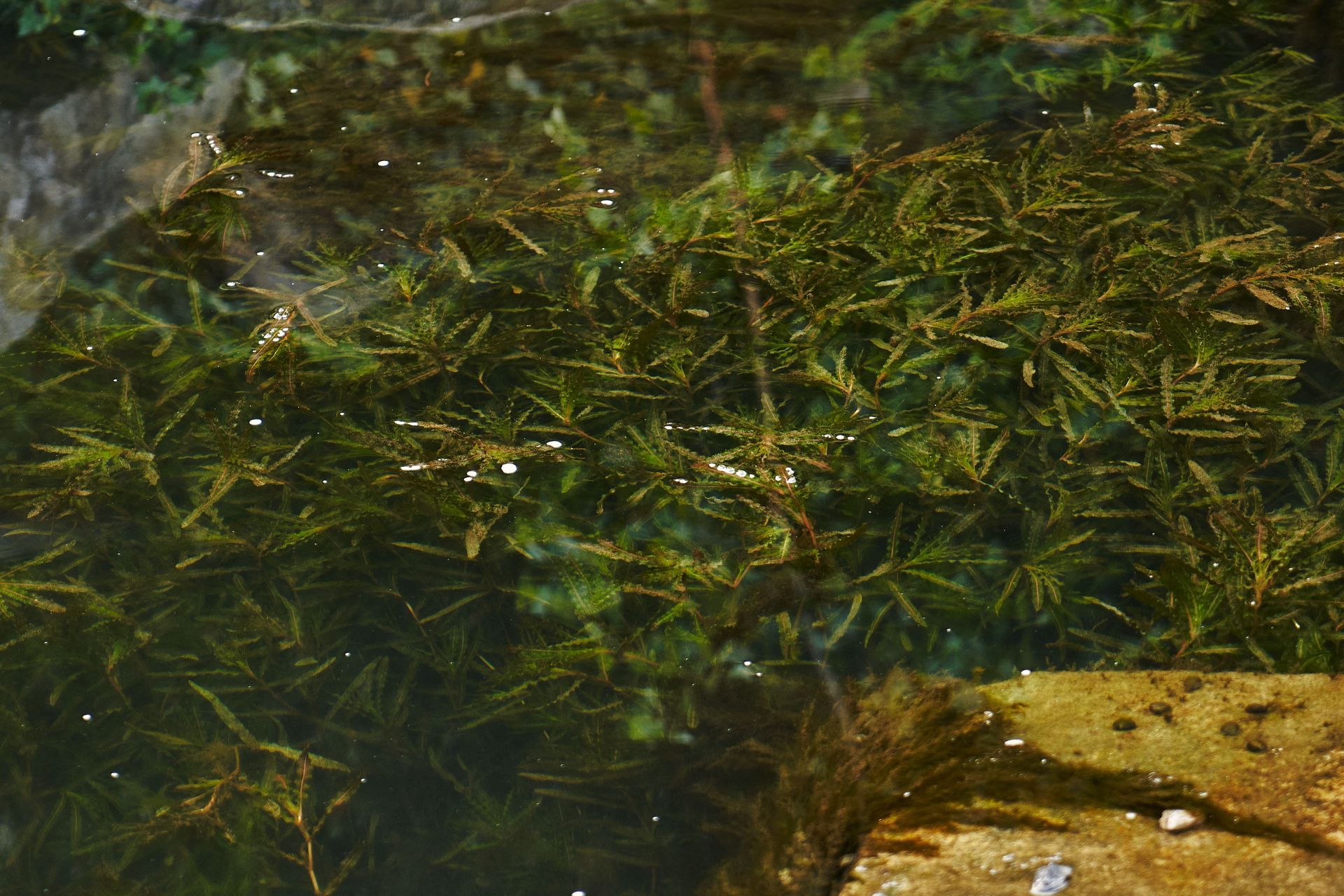
Indiana’s lakes, rivers, and wetlands are home to a rich diversity of native plants and wildlife, but they’re also facing competition from invasive aquatic species. From fast-spreading plants like Eurasian watermilfoil and phragmites to disruptive invertebrates such as zebra mussels, these invaders can quickly crowd out native species, alter habitats, and complicate recreation. Indiana’s waterways face some of their greatest challenges from invasive aquatic plants, many of which spread quickly and outcompete native vegetation. Species like Eurasian watermilfoil, curly-leaf pondweed, and hydrilla grow to the water’s surface, blocking sunlight and reducing oxygen levels needed by fish and other wildlife. They can also clog waterways, hinder boating and swimming, and overwhelm native plant communities quickly. Emergent invaders such as phragmites pose their own challenges. Towering stands can dominate shorelines and wetlands, alter water flow, and displace native marsh plants. Together, these species disrupt habitats and create costly management challenges for lake associations, conservation groups, and the state. Managing their spread requires early detection, cleaning boats to prevent spreading, and ongoing community awareness. Invasive mussels, such as the zebra and quagga mussels, tend to be some of the most destructive aquatic invaders in Indiana’s waters. These small invertebrates (< 1 inch) attach to nearly any hard surface, such as docks, boats, and fountains. They filter enormous volumes of water, stripping out plankton that native fish and other aquatic organisms depend on. This filtering increases water clarity, which may look appealing but allows sunlight to penetrate deeper into waterways, increasing the risk of harmful algal blooms. Their dense colonies clog infrastructure and require expensive, ongoing maintenance. Once established, these mussels are nearly impossible to eradicate, making prevention through boat cleaning, equipment inspection, and public awareness crucial to slowing their spread and safeguarding Indiana’s lakes and rivers. Indiana’s lakes, ponds, and rivers depend on informed communities to slow the spread of invasive aquatic species. By recognizing the threats these plants and animals pose and taking simple preventive steps - like cleaning boats and reporting new sightings - we can help protect native habitats. With collective action, our waterways can remain healthy and resilient for future generations.
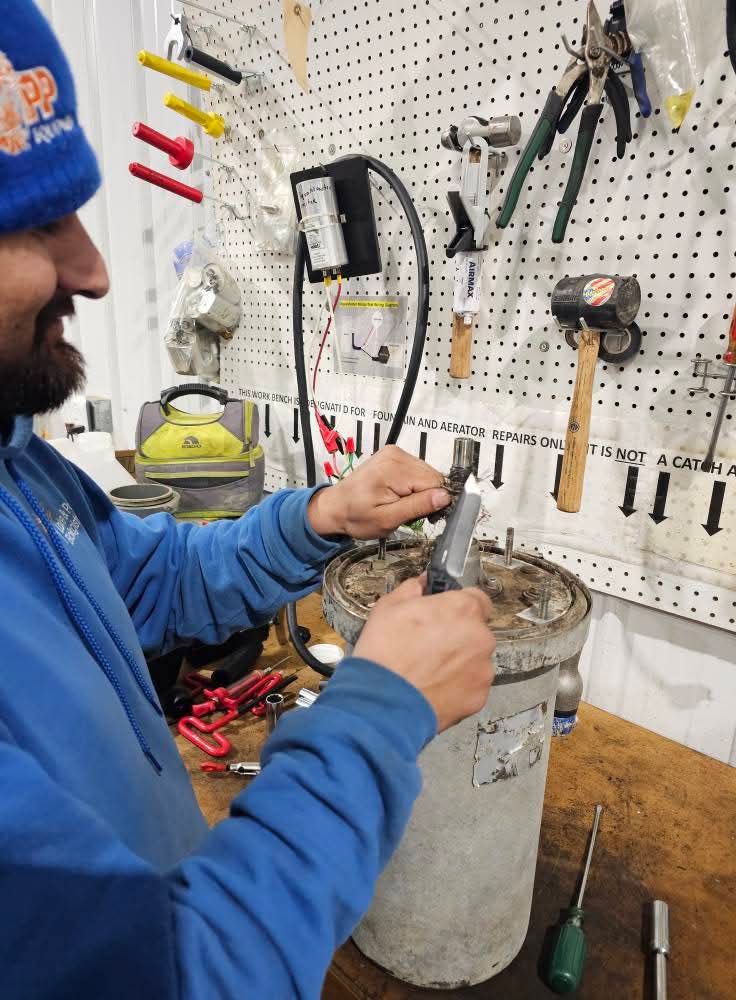
Regular fountain maintenance is essential for keeping any water feature looking beautiful and operating properly. Over time, debris like fishing line, muck, and algae build up, clogging pumps and filters, reducing water flow, and potentially damaging your motor. The water body can become cloudy or develop unpleasant odors, diminishing the aesthetic and atmosphere of the space. Routine cleaning, inspections, and maintenance help protect your equipment and ensure the fountain remains a focal point rather than an eyesore. Yearly maintenance extends the lifespan of a fountain’s mechanical components. Pumps, lights, and filtration systems all work harder when blocked by debris or strained from low water levels, leading to premature wear or breakdowns. By regularly inspecting pumps, treating water for algae and plant growth, and checking water levels, owners can avoid costly repairs and downtimes. A well-maintained fountain enhances its environment and operates more efficiently and reliably for years to come. Aeration maintenance is also crucial. Routine maintenance should be performed according to manufacturer recommendations. Clogged or worn aeration lines will reduce oxygen transfer and cause water quality to decline. When aeration equipment isn’t functioning properly, ponds are more likely to develop foul odors, algal blooms, and fish kills. Regular inspections, cleanings, and performance checks help ensure your aerator delivers consistent oxygen levels, supports a balanced ecosystem, and prevents costly repairs or environmental issues further down the line. At Lake & Pond Biologists, our technicians are factory-trained and certified to service brands such as AquaMaster®, Kasco®, Airmax®, Outdoor Water Solutions and EasyPro.

What are harmful algal blooms (HAB)? Algal blooms are an overgrowth of algae or cyanobacteria in water that can elicit adverse effects to people, animals, or the ecosystem. Many types of algae could be considered HABs, including large mat-forming green algae that can clog up critical habitat and impact water quality parameters like oxygen and pH. In most freshwater systems, like lakes and ponds, the main culprit of HABs are toxic cyanobacteria (often referred to as blue-green algae), causing cyanobacterial harmful algal blooms (cHABs). Even though they grow and look like other true algae (and are lumped in that vague term of algae), these are actually prokaryotic photosynthetic bacteria that can utilize light for energy to grow. These cHABs may already be present in your water; if not, they will be on their way soon. They come in all shapes and sizes, from microscopic, tiny cells to tufts, colonies, pea soup scum, thick mats (bottom or surface), or gelatinous blobs. They cause issues to the water quality, aesthetics, and habitat, and possess a much more potent power than any other algae in freshwater. Their ability to naturally produce numerous chemical compounds, especially those known as toxins, can greatly impact human and animal health in numerous ways, even at quite low and common concentrations. cHABS can produce an array of toxins, some of which impact the liver/kidneys, others the neurological system, and some cause dermatitis or impact the gastrointestinal system. USEPA and the World Health Organization (WHO) have reviewed the available data on these toxins and found there are real exposure risks to humans, particularly to younger children or immunocompromised people. Recreational and potable water guidelines have been created based on the health effects levels, and the concentration for children is extremely low (0.3 parts per billion for microcystin in drinking water, which is like climbing two stairs on a trip to the moon). Although you may not think you have a cHAB, they can be cryptic in nature and come on fast. EPA has reported blooms of cHABS are on the rise across the US. What can you do: If you own or use water, it is your responsibility to safeguard it from cHABs to protect people, pets, livestock, and the entire ecological system. Keep a close eye on your lake or pond. Above are example of cyanobacteria. I f you see these, you need to call a STOW* right away. However, some cyanobacteria are hidden, and you need a specialized microscope to identify them. The SeSCRIPT service offered by SePRO is readily able to identify these cyanobacteria as well as critical water quality parameters that may be supporting them, like phosphorus, and provide your results within a couple of days. Why use a SePRO Steward of Water (STOW)? This is a community of professionals committed to using the best technologies to protect and restore water. They do great work, will treat you right, and will stand behind the technical prescription provided. They can utilize the SeSCRIPT results to align a site-specific management plan to get your water body back on track.
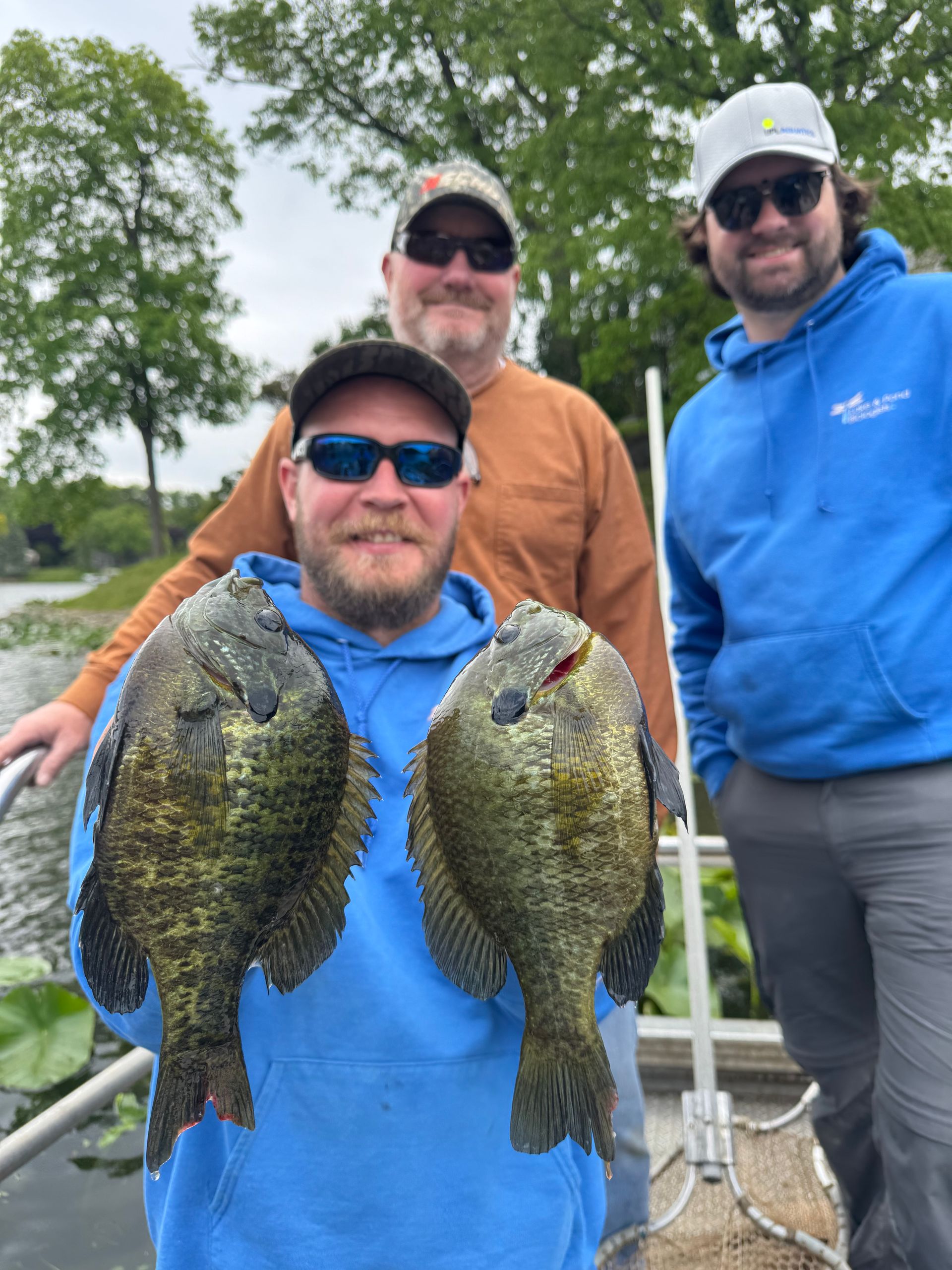
Fisheries management in lakes or ponds with an existing fish population isn’t always as simple as “let’s just throw some more Bass in there,” if there are too many small Bluegill, or “let’s add some more Bluegill and minnows,” if there are too many small Bass. Stocking “some of these and some of those might work” - but only for the short term. Through research and the evolution of technology, fisheries management has become increasingly comprehensive yet remains straightforward. When you have an excess of stunted Bluegill or an excess of stunted Largemouth Bass, there will be an underlying cause. Water quality, habitat and structure, invasive or trash species, oxygen demand and carrying capacity are just a few factors that impact the quality of your fishery. Often, there is a lack of food in the food web, typically due to the presence of invasive or trash species. Those trash species may be Common Carp or the Gizzard Shad, both of which reproduce prolifically and utilize valuable resources that the fry-to-fingerling stages of bass and bluegill require. With an excess of these trash fish, our desirable fish are unable to grow properly due to the competitive pressure they face. We correct this by first examining the abundance and size distribution of both our trash fish and desirable fish to find the missing link in that food web. We may find plenty of food for bass that are over 12 inches long, and for bluegill over 6 inches long, but the average bass is only 9 inches, and bluegill is typically 4 inches. That’s the void in the food web and we can make a thoughtful and accurate corrective stocking prescription. In this case, we will stock ten 12- to 14-inch Bass per acre, per year for 3 years. We will also stock 100 6- to 8-inch Bluegill per acre, per year for 3 years. Channel Catfish stocked at low rates are also an essential addition, as they will help keep our stunted bass and bluegill and those trash fish in check. Yes, we are “throwing in” some more Bass and some more Bluegill, but we are doing so with a calibrated approach. By stocking these larger size class fish, they will immediately begin to open room in the food web in the short-term. This allows our desirable species to grow in the long-term. While underlying issues within your fishery are limited to a handful of factors, each fishery is vastly different, as are the corrective stocking measures. When in doubt, contact Lake & Pond Biologists to get your lake or ponds ecosystem back in balance.